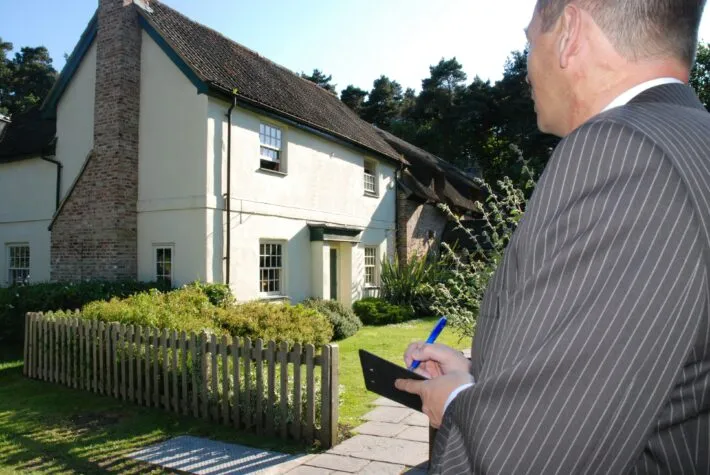
A professional heating survey for your London home typically takes 60 to 90 minutes. The duration depends on your property size, system complexity, and specific requirements for radiators, underfloor heating, and controls.
Booking a whole-system heating survey is the first step towards a more efficient and comfortable home. Unlike a quick boiler check or a reactive repair visit, this is a detailed, planned assessment of your entire central heating system. For most London homes, you should plan for the surveyor to be on site for between 60 and 90 minutes. What to gather before the engineer arrives is covered in our checklist for preparing for a heating survey.
The Standard Survey Timeline
The core survey follows a methodical process. The surveyor will begin with a brief discussion to understand your heating goals, any issues with comfort in specific rooms, and plans for future home improvements. They will then systematically work through your property.
Room-by-Room Assessment (30-45 minutes)
This is the most time-intensive phase. In each room, the surveyor will assess every radiator, including its size, type, and output. They will check thermostatic radiator valves (TRVs) for function and note the presence of lockshield valves. They will also examine pipework where accessible, look for signs of corrosion or sludge build-up, and assess the suitability for potential upgrades like smart thermostatic valves.
Key System Areas (15-20 minutes)
The surveyor will then focus on the central points of your system. This includes locating and inspecting the boiler (for model and condition context only, as we do not conduct repairs), the hot water cylinder if present, the pump, and any motorised zone valves. A crucial part is checking for and noting the type of system filter installed, as upgrading to a high-performance magnetic filter is a common recommendation for system health.
Control Panel & Thermostats (5-10 minutes)
Your heating controls dictate comfort and efficiency. The surveyor will review your current programmer, room thermostat, and any smart controls. They will discuss potential for system balancing and zoning to improve control and reduce energy use.
Underfloor Heating Considerations
If you have or are considering underfloor heating, this adds time. For existing systems, the surveyor may need to inspect the manifold and controls. For potential installations, they will need to assess floor construction and available space, which can extend the survey by 15-20 minutes.
What Can Extend the Survey Time?
Several factors can mean a survey takes longer than the typical 90-minute window. The surveyor's priority is accuracy, so they will take the time needed for a thorough assessment.
Property Size and Layout: A large detached house with many rooms will naturally take longer than a compact flat. Multi-storey homes require time to move between floors. Properties with extensions or complex layouts also add to the survey duration.
System Complexity: Homes with multiple heating zones, mixed systems (e.g., radiators and underfloor heating), or older systems with unconventional pipework require more detailed inspection. The need to locate and access multiple zone valves or hidden manifolds adds time.
Specific Client Requirements: If you have detailed questions about a future smart heating control installation, wish to discuss radiator replacement in every room, or want to explore a full system power flush, the consultation portion of the survey will be longer. Providing the surveyor with your plans in advance helps streamline this.
Immediately After the Survey: The Fixed Quote Process
Once the physical survey is complete, the process moves to providing you with a clear, fixed-price proposal. The surveyor does not provide pricing on the spot.
Analysis and Quotation: After leaving your property, the surveyor will compile all their notes, measurements, and photographs. They will calculate heat loss for rooms if radiator replacements are planned, specify exact equipment (radiator models, filter types, smart controls), and itemise labour. This careful analysis ensures the quote is accurate and comprehensive, with no hidden costs.
Receiving Your Quote: You will receive your detailed fixed-price quote by email after the survey. This document will outline all recommended work, such as new radiator installations, a power flushing service, a magnetic filter fit, or a smart thermostat upgrade. Each element will be clearly priced, and the total will be the amount you pay for that agreed scope of work.
Next Steps: With your fixed quote in hand, you can review the recommendations at your leisure. There is no pressure to proceed immediately. When you are ready to book the work, the scheduling team will find a convenient date for the installation team to carry out the planned improvements, transforming the survey's findings into a reality of improved heating performance and efficiency.
Frequently asked questions
Do I need to be at home for the entire heating survey?
Yes, we require a householder to be present for the duration. This allows the surveyor full access to all rooms, lets them ask you questions about comfort in specific areas, and ensures they can discuss your goals and explain their initial observations directly.
Will the surveyor give me a price before they leave?
No. To make sure the fixed quote is accurate, our surveyors work through the measurements and system details after the visit. You will then receive an itemised fixed-price proposal by email, with no obligation to proceed.
How does surveying for underfloor heating differ from radiators?
Surveying for underfloor heating is more involved. It requires assessing floor construction, insulation, and available space for manifolds. For existing systems, the manifold and controls must be checked. This detailed assessment typically adds 15-20 minutes to a standard survey timeframe.
Can the survey identify if my system needs a power flush?
Yes, a key part of the survey is assessing system health. The surveyor will look for signs of sludge, such as cold spots on radiators or discoloured water, and check if a magnetic filter is fitted. This informs a recommendation for a power flushing service to restore efficiency.