Home/Services/Magnetic Filter Installation
System Protection
Magnetic Filter Installation London
Over time, central heating systems naturally accumulate magnetite, a fine black sludge formed from corrosion. This sludge circulates, gradually reducing efficiency by blocking narrow pathways in valves, pumps, and heat exchangers, which can lead to increased energy costs and eventual component failure.
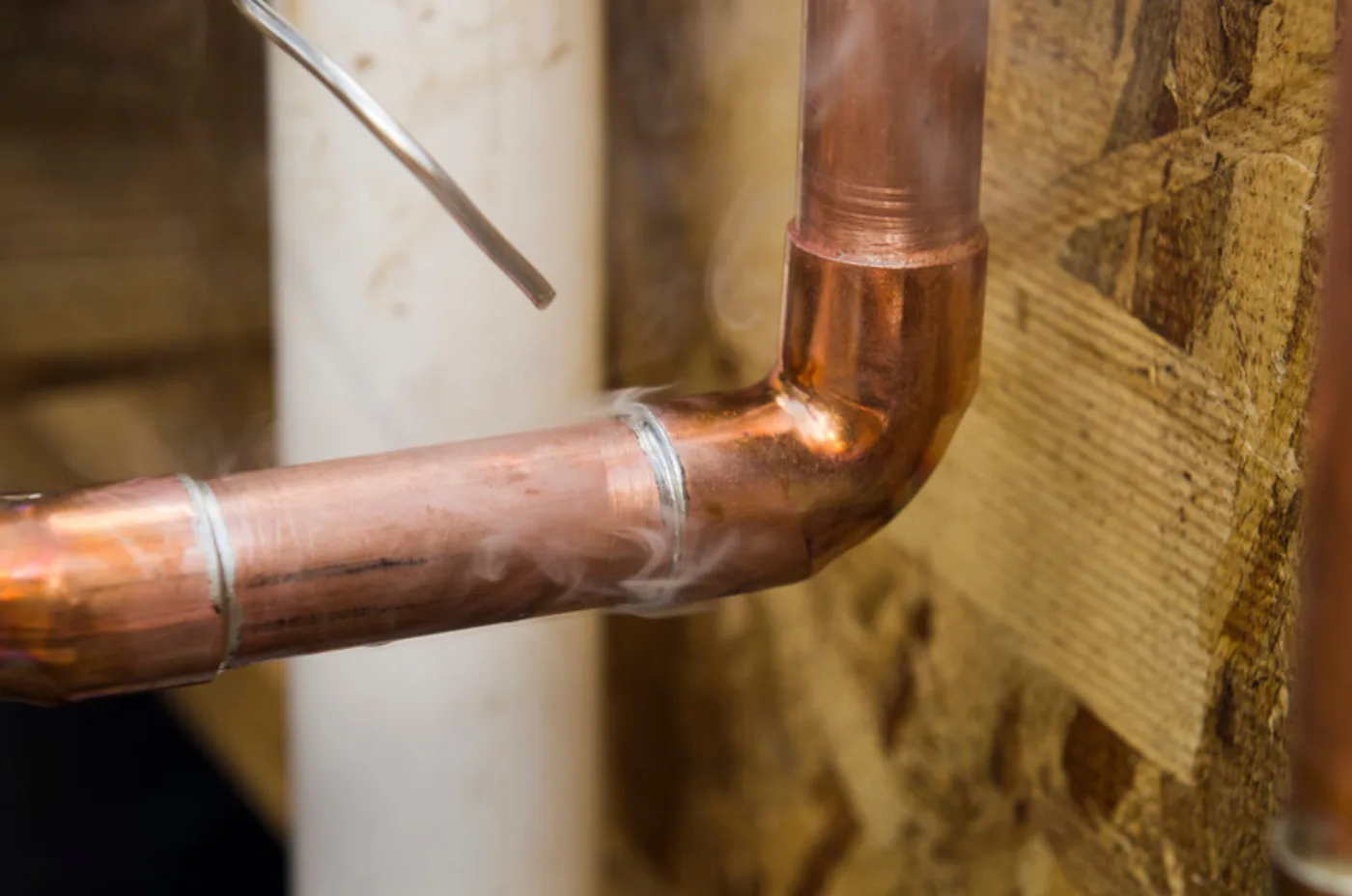
Our installation involves fitting an inline magnetic filter unit, typically on the heating system's return pipe near the boiler. The work includes draining down the relevant section of pipework, cutting out a section, and professionally soldering or fitting the filter assembly into place, ensuring it is correctly oriented and secure for long-term operation.
This service is compatible with all boiler brands and system types, including combi, system, and heat-only boilers. Installing a magnetic filter is a proactive maintenance step that safeguards your system investment, helping to maintain its designed performance and efficiency for years to come.
All work is priced as a fixed quote agreed after a free, no-obligation survey. Please see our pricing page for the current service structure.
What you get
- Free, no-obligation on-site survey and fixed quote.
- Installation of a high-capacity, industry-standard magnetic filter unit.
- Professional cutting and jointing of pipework (soldered or mechanical).
- Full system check for correct orientation and flow direction.
- Commissioning of the filter and brief demonstration of its operation.
- All work carried out by our Gas Safe registered engineers.
How it works
A method, not a guess
01
Free On-Site Survey
An engineer visits your property to assess your heating system layout and confirm the optimal filter location.
02
System Preparation
The relevant heating zone is safely isolated and drained down to allow for clean, dry installation work.
03
Filter Installation
A section of pipe is cut out and the magnetic filter unit is fitted and secured into the system's return pipe.
04
Commission & Handover
The system is refilled, vented, and pressurised, and you are shown how to clean the filter cartridge.
6 things to check before you book magnetic filter installation in London
Confirm the installation location
The filter must be fitted on the central heating return pipe, typically close to the boiler. The engineer should survey to confirm there is sufficient straight pipe and access for future cleaning.
Check the system cleanliness beforehand
Installing a filter on a heavily sludged system may cause it to block rapidly. For older systems, a power flush is often recommended prior to filter installation for maximum benefit.
Verify the quote includes correct orientation
The filter unit has a specific flow direction, indicated by an arrow on the body. Professional installation ensures it is fitted the right way around for it to function correctly.
Ask about the cleaning procedure and interval
The engineer should demonstrate how to isolate, open, and clean the magnetic cartridge. They should also advise on a sensible inspection interval, typically every six to twelve months.
Ensure isolation valves are included
A proper installation includes fitting service valves on both sides of the filter unit. This allows you to isolate it for cleaning without having to drain the entire heating system.
Check for system inhibitor after installation
After refilling the system following filter installation, a fresh dose of corrosion inhibitor must be added to the water. This should be included in the service to protect the newly cleaned pipework.
Symptoms
Signs Your Heating System Needs a Magnetic Filter
A magnetic filter is a preventative measure, but certain system conditions indicate it is a prudent investment.
- Your system water is discoloured when you bleed a radiator
- You have had repeated issues with pump failures or sticking zone valves
- Radiators have cold spots at the bottom despite bleeding
- The boiler requires frequent repressurisation
- You are planning to install a new boiler and want to protect it
- Your system is over ten years old and has never had corrosion inhibitor added or changed
Preparing for Your Visit
- 1Ensure clear access to the pipework around your boiler, typically on the return side.
- 2Know the location of your system's filling loop and drain-off point.
- 3If possible, note the make and model of your boiler for our engineer's reference.
When to Book Magnetic Filter Installation
Book a magnetic filter installation as a proactive measure to protect your boiler and components from sludge-related damage. It is ideal alongside a new boiler installation or as preventative maintenance. Do not book a magnetic filter installation as a cure for an already severely sludged system with multiple cold radiators; that requires a power flush. The filter is for ongoing protection, not for cleaning an already contaminated system.
Book a visitLondon housing stock
Magnetic Filter Installation for London Property Types
All heating systems in London's varied properties generate sludge, making a filter a universal safeguard.
Victorian terrace
Older systems with iron radiators and possibly microbore pipework are highly susceptible to sludge build up. A filter helps protect vulnerable narrow pipes and the boiler's heat exchanger from blockages.
Mansion-block flat
Shared heating systems or older installations in converted buildings can have significant corrosion over decades. A filter captures circulating debris, helping to maintain efficiency and prevent noise.
1930s semi-detached
Original systems may have been neglected or topped up with fresh water frequently, introducing oxygen that accelerates corrosion. Installing a filter mitigates ongoing damage from this process.
New-build extension
Adding new radiators and pipework to an old system can disturb settled sludge. A filter installed during the work captures this debris, protecting both the new and existing components.
Questions
Magnetic Filter Installation FAQs for London homeowners
What is the difference between a power flush and installing a magnetic filter?
A power flush is a cleaning process that removes existing sludge and debris from your entire heating system. A magnetic filter is a protective device installed afterwards. While a flush cleans out the past, the filter continuously captures new magnetite as it forms, preventing future build-up. They are complementary services often recommended together.
Does my system need to be power flushed before a magnetic filter is fitted?
While not strictly mandatory, it is highly advisable. Installing a filter onto a heavily sludged system means it will quickly become overwhelmed with old debris. A prior power flush gives your new filter a clean start, allowing it to focus on capturing new corrosion particles and providing optimal long-term protection.
How often do I need to clean the magnetic filter?
This depends on your system's condition. After installation or a power flush, we recommend checking it after the first month. Once stable, a check every 6-12 months is typically sufficient. The filter has a transparent chamber and a simple manual valve for easy cleaning, which we will demonstrate.
Can a magnetic filter be fitted to any type of boiler?
Yes, magnetic filters are compatible with all boiler types—combi, system, or regular—and all fuel sources, including gas, oil, and LPG. The installation principle is the same: fitting it on the system return pipe to catch debris before it reaches the boiler's heat exchanger or pump.
Where will the filter be installed in my home?
The filter is almost always installed on the main heating return pipe, close to the boiler. This is the most effective location to capture debris. Our engineer will identify the most accessible and practical point during the survey, ensuring it is fitted neatly and with future maintenance in mind.
Explore the cluster
Related heating services & guides
Radiator installation
Correctly sized rads and TRVs
Power flushing
Whole-system sludge cleanse
Underfloor heating
Wet systems, new build & retrofit
Smart heating controls
Zoned thermostats, app scheduling
Central heating installation
First-time install, no existing system
System upgrade & rebalancing
Whole-system survey and balance
System balancing
Rebalance flow, room by room
TRV installation
Thermostatic radiator valve fitting
Zone valve installation
Independent heating zones
Pricing
Quote-only, fixed price before we start
Areas we cover
All 33 London boroughs
Guide to central heating systems
The complete system-wide guide
Radiator balancing guide
Why some rooms run cold
Central heating installation guide
First-time install vs upgrade, explained
London-wide
Magnetic Filter Installation across all 33 boroughs
Same multi-method kit and fixed-fee approach from Barking to Richmond. Pick your borough for local housing detail.
Keep reading
Guides on magnetic filter installation
System Health · 4 min read
What Does a Magnetic Filter Do and Do You Need One?
A magnetic filter captures sludge and debris in your heating system, improving efficiency and preventing damage. This guide explains how it works and which systems benefit most.
ReadPower Flushing · 6 min read
Chemical Flush vs Power Flush: Which Does Your Heating System Need?
A chemical flush is as good as a power flush only when the system is lightly contaminated. Where radiators are cold at the bottom or the bleed water comes out black, a power flush is the one that actually shifts the sludge.
ReadPower Flushing · 6 min read
Power Flush Machine: What the Equipment Does, and Should You Hire One?
A power flush machine is a portable high-flow pump with a tank, a flow reversal valve and a dump valve, used with cleaning chemicals, a magnetic collector and a water quality meter. You can hire one, but the machine is the easy part; knowing where to connect it, how to work each radiator and when the water is clean is what makes a flush work.
ReadPeople also book
Power Flushing
Power flushing in London: sludge, rust and magnetite cleared from every radiator and pipe run, then inhibitor added.
Learn moreSystem Upgrade & Rebalancing
Whole-system heating upgrades and rebalancing across London — pipework, pump, radiators and controls assessed together.
Learn moreSystem Balancing
Professional radiator and central heating system balancing in London.
Learn moreReady to sort this room out?
Tell us the room and your postcode. We'll confirm a free survey and, after that, the fixed price and earliest slot — before you commit to anything.
Book a free survey