TRV vs Manual Radiator Valve: What Is the Difference and Is It Worth Switching?
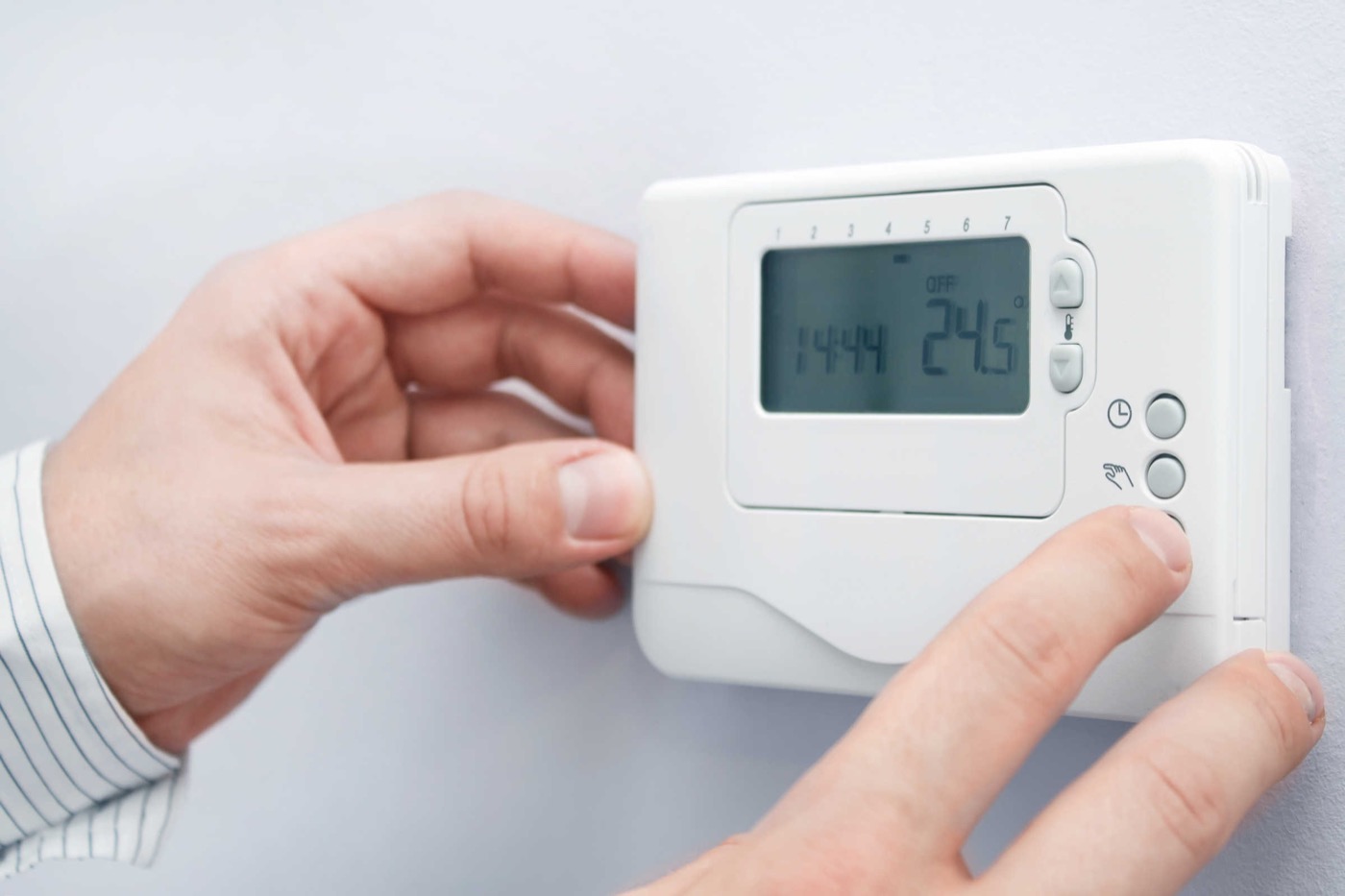
A thermostatic radiator valve cuts the flow as the room reaches the temperature you set; a manual valve stays wherever you left it. For most rooms a TRV is worth fitting, but one radiator on the system often needs to stay manual.
A thermostatic radiator valve (TRV) turns the radiator down automatically as the room reaches the temperature you set, while a manual radiator valve simply stays open, closed or part-open wherever you left it. For most rooms, switching from a manual valve to a TRV is worth doing, because it stops rooms overheating and cuts wasted gas. There are two exceptions: the room with your main thermostat, and the radiator that gives the system its bypass.
What Is the Difference Between a TRV and a Manual Radiator Valve?
A TRV responds to the air temperature in the room; a manual valve does not respond to anything. That is the whole difference, and it changes how each room behaves once the heating is on.
A TRV has a head with a numbered dial, usually from 1 to 5 plus a frost setting. Inside the head is a wax or liquid element that expands as the room warms and pushes a pin down to close the valve. As the room cools, the element contracts and the valve opens again. Our full guide to how TRVs work covers the settings in detail.
A manual valve, sometimes called a wheelhead valve, is a tap. It lets hot water into the radiator at whatever opening you have set, until you change it by hand. If the room gets warm from sunshine or cooking, the radiator keeps pumping out heat anyway. Every radiator also has a second valve on the other side, the lockshield, which sets the balance of the system and is left alone once set; see our explainer on what a lockshield valve does.
Do TRVs Save Energy Compared With Manual Valves?
Yes, in most homes, because each room stops taking heat once it is warm enough. With manual valves, the only control is the main thermostat in one room, so every other room runs as hot as the radiators allow.
The savings are largest in rooms that warm up for other reasons, such as south-facing rooms, kitchens and bedrooms kept cooler than living areas, and in houses where some rooms are rarely used. The Energy Saving Trust recommends TRVs alongside a room thermostat and timer as part of a basic set of heating controls. A TRV does not save anything if it is left on its highest setting, so the dial needs setting to a sensible level for each room.
Where a Manual Valve Still Makes Sense
Keep a manual valve, or a TRV set fully open, on the radiator in the room with the main room thermostat. If both are controlling the same room, they work against each other.
Here is what happens: the TRV shuts the radiator before the room reaches the thermostat's setting, the thermostat never registers the room as warm, and the boiler keeps firing to heat a house that is already at temperature everywhere else. Leaving that one radiator uncontrolled lets the room thermostat do its job.
The system also needs somewhere for water to flow when every TRV has closed. On many systems that is a bypass valve near the boiler; on others, one radiator is left without a TRV so the pump always has a path. Many modern boilers have a bypass built in, but older systems may rely on that open radiator. If every radiator is fitted with a TRV and nothing else changes, the pump can end up pushing against closed valves, which can cause noise and strain. This is one reason the job is best planned as a whole-system change rather than valve by valve.
Can You Just Swap the Head?
Sometimes. If the valve body is already TRV-compatible, a thermostatic head can be fitted without draining the system. If the body is a manual-only valve, the whole valve has to be replaced.
Many valves sold as manual are in fact thermostatic bodies fitted with a manual cap, and a TRV head can be screwed on in its place. Older manual valves are simple taps with no pin inside, and no head will turn them into a TRV. Checking is quick: with the manual cap removed, a TRV-ready body has a small pin that moves when pressed. Smart TRVs fit the same way, usually onto a standard thread with an adapter for some makes.
What Replacing a Manual Valve With a TRV Involves
Replacing the valve body means draining at least part of the system, fitting the new valve, refilling, bleeding and checking for leaks. It is a routine job for a heating engineer, but it touches the whole system.
The engineer also checks which side of the radiator is the flow, because some TRVs only work correctly one way round, while bidirectional valves can go on either side. Draining down is a good moment to check the water condition and add inhibitor, and to balance the system afterwards so the new valves do not simply move the cold spots around. If you are replacing several valves, doing them together means one drain-down instead of several. Our TRV installation service covers single valves and whole-house changes.
What About Smart TRVs?
Smart TRVs add scheduling to each radiator, so a room can be heated only at the times it is used. They are worth it in rooms with irregular use, such as a home office or spare bedroom, rather than fitted everywhere by default.
A smart TRV still needs a working, TRV-compatible valve body underneath, and it still needs the system to be balanced and clean. If a radiator is cold at the bottom from sludge, no valve on the side of it will fix that.
Do the Regulations Require TRVs?
Building Regulations guidance in England expects room-by-room temperature control, typically TRVs, when a new heating system is installed or a boiler is replaced, where it is reasonably practical. It does not require you to change existing valves if you are not doing that work.
In practice, if you are replacing a boiler, the installer should check the controls as part of the job, and TRVs are usually added then. If you are not, switching from manual valves is a sensible upgrade you can make on its own. Book a free survey and we will check which valves can take a head, which need replacing, and where the bypass needs to stay.
Frequently asked questions
Should every radiator have a TRV?
Not quite. The radiator in the room with the main room thermostat should normally be left without a TRV, or with the TRV fully open, so the two controls do not fight. The system also needs a bypass, either a bypass valve or one radiator left open.
Can I fit a TRV head on a manual radiator valve?
Only if the valve body is thermostatic-ready. Many modern valves are, with a manual cap fitted; older manual valves are not and must be replaced, which means draining at least part of the system.
What number should a TRV be set to?
There is no universal setting, as the numbers vary by make. A middle setting is a common starting point for living rooms, with lower settings for bedrooms and unused rooms. Adjust one step at a time and give the room a day to settle.