What Are the Different Types of Central Heating Systems?
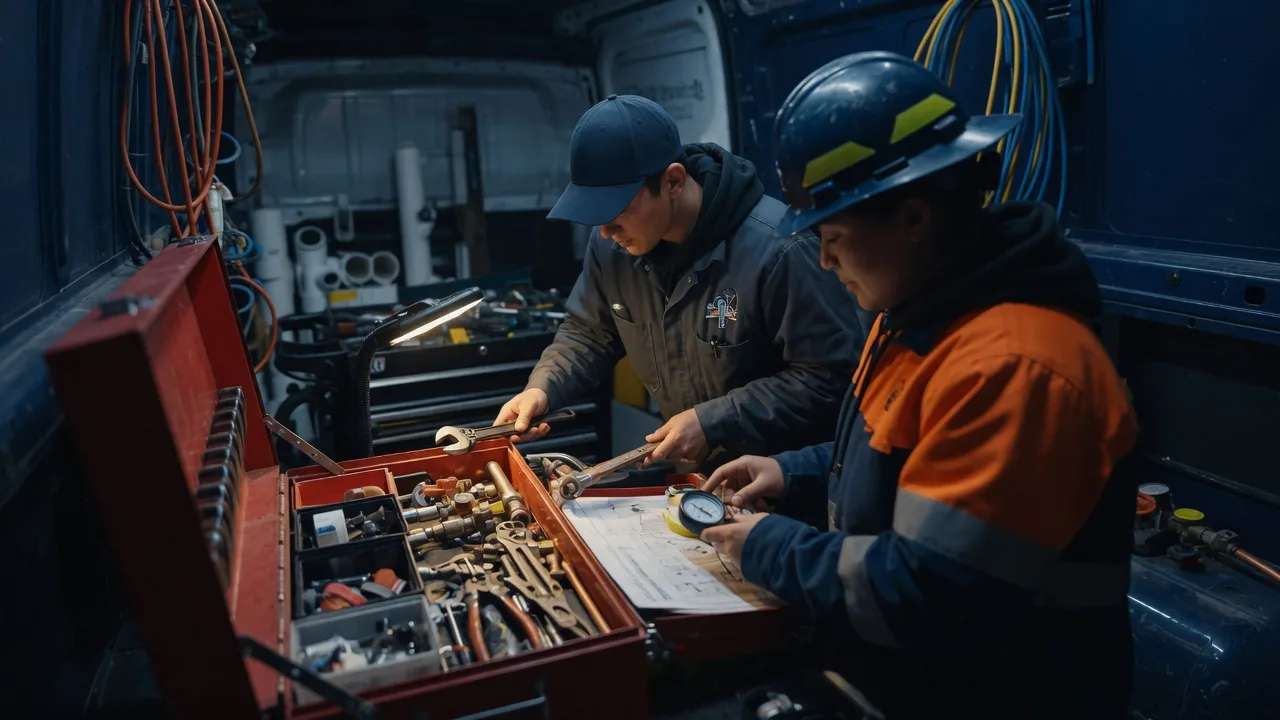
Most UK homes have a wet system: a boiler or heat pump heating water that flows to radiators or underfloor pipes. The alternatives are electric storage and panel heaters, communal heat networks common in London blocks, and older warm air systems. Knowing which you have tells you what can go wrong and what upgrades make sense.
The main types of central heating in UK homes are wet systems, where a boiler or heat pump heats water that flows through radiators or underfloor pipes; electric systems such as storage heaters and panel heaters; communal or district heat networks, where heat comes from a shared plant; and warm air systems that blow heated air through ducts. Most houses and many flats in London have a wet system with a gas boiler. The type you have decides what can go wrong, what maintenance matters and which upgrades are worth considering.
Wet Systems With a Boiler
A wet system heats water in a boiler and pumps it round a closed circuit of pipes to radiators, then back to be reheated. It is the most common type of central heating in the UK, and nearly all of it runs on mains gas.
The boiler is only one part. The circuit also includes the pump, the pipework, valves at each radiator, the controls and, on some systems, zone valves and a hot water cylinder. Wet systems come in two layouts:
- Sealed systems are filled from the mains and kept under pressure, shown on a gauge on the boiler. This covers combi and system boilers.
- Open vented systems are topped up from a small feed and expansion tank in the loft and run at low pressure. This is typical of older homes with a regular boiler.
Our guide to telling a sealed system from an open vented one explains the quick checks. Most of the faults we see in wet systems are in the circuit rather than the boiler: sludge, air, stuck valves and poor balance.
Wet Systems With a Heat Pump
A heat pump replaces the boiler as the heat source but keeps the same idea: heated water flowing to radiators or underfloor pipes. The difference is temperature.
Heat pumps are most efficient heating water to lower temperatures than a gas boiler, so the radiators often need to be larger, the pipework has to carry enough flow, and hot water comes from a stored cylinder. Hybrid systems pair a heat pump with a boiler that takes over on the coldest days. Anyone considering the switch should look at the whole system, not just the unit outside.
Underfloor Heating
Underfloor heating is a way of delivering heat rather than a separate heat source. Wet underfloor heating runs warm water through pipes under the floor, fed from the same boiler or heat pump as the radiators. Electric underfloor heating uses heating mats or cables.
Wet underfloor heating usually has its own manifold, pump and mixing valve, and it is often combined with radiators upstairs. It warms a room evenly at a low temperature, but it responds slowly, so it suits steady heating better than short bursts. Electric mats are cheap to lay and common in bathrooms, but cost more to run over a large area. Our underfloor heating installation service covers adding it to an existing wet system.
Electric Storage Heaters and Panel Heaters
Electric storage heaters charge up with heat overnight on a cheaper off-peak tariff and release it during the day. They are common in London flats that have no gas supply, including many purpose-built blocks.
Each heater is a separate unit, so there is no pipework, no boiler and no water to go wrong. The drawbacks are control and cost: older models release heat when it suits them rather than when you want it, and running costs depend heavily on the tariff. Direct electric panel heaters give quicker control but use full-price electricity. Neither is central heating in the wet sense, so radiator and flushing work does not apply to them.
Communal Heating and Heat Networks
In a communal system, one central plant heats a whole building or estate, and hot water is piped to each flat. Heat networks, sometimes called district heating, do the same across several buildings. Both are widespread in London, especially in council and new-build blocks.
Each flat usually has a heat interface unit instead of a boiler. It contains a heat exchanger, valves and a meter, and it passes heat from the shared network to the flat's own radiators and hot water. The central plant is the responsibility of the building's owner or heat supplier. What sits inside the flat, such as the radiators, valves and room controls, may be yours to maintain, depending on the lease. Check the lease or ask the managing agent before arranging work.
Warm Air Systems
Warm air heating blows heated air through ducts and floor or wall grilles instead of using radiators. It was fitted in some homes and estates in the 1960s and 1970s, and a number of London properties still have it.
A warm air unit, usually gas-fired, heats the air and a fan distributes it. It heats rooms quickly but tends to be noisier and dustier than a wet system. Gas-fired warm air units must be serviced and repaired by a Gas Safe registered engineer. When these units reach the end of their life, many owners switch to a wet system with radiators, which is a larger project involving new pipework throughout.
Which Type Do You Have, and Why It Matters
If you have a boiler or heat pump and radiators, you have a wet system, and the health of the water and pipework matters as much as the heat source. If you have no boiler and heaters on each wall, you have an electric system. A small unit with pipes but no flue, in a flat, is usually a heat interface unit on a communal network.
For wet systems, the questions worth asking are whether every radiator heats fully, whether the system holds pressure, and whether the water is clean. Our guide to how central heating works walks through each part of the circuit. If rooms heat unevenly or the system is slow, book a free survey and we will tell you what type of system you have, what state it is in, and whether it needs attention.
Frequently asked questions
What is the most common type of central heating in the UK?
A wet system with a gas boiler heating water that circulates to radiators. Most UK homes use it, split between sealed systems with combi or system boilers and older open vented systems with a regular boiler and a tank in the loft.
Is underfloor heating a type of central heating?
Wet underfloor heating is part of a central heating system. It uses warm water from the same boiler or heat pump as radiators, delivered through pipes under the floor instead. Electric underfloor heating is a separate electric system, usually used in single rooms such as bathrooms.
Who is responsible for communal heating in a flat?
The central plant and the network pipes are normally the responsibility of the building owner or heat supplier. The radiators, valves and controls inside the flat may be the leaseholder's responsibility. The lease sets out who maintains what, so check it or ask the managing agent before booking work.