Can You Flush Just One Radiator? What It Involves and When It Works
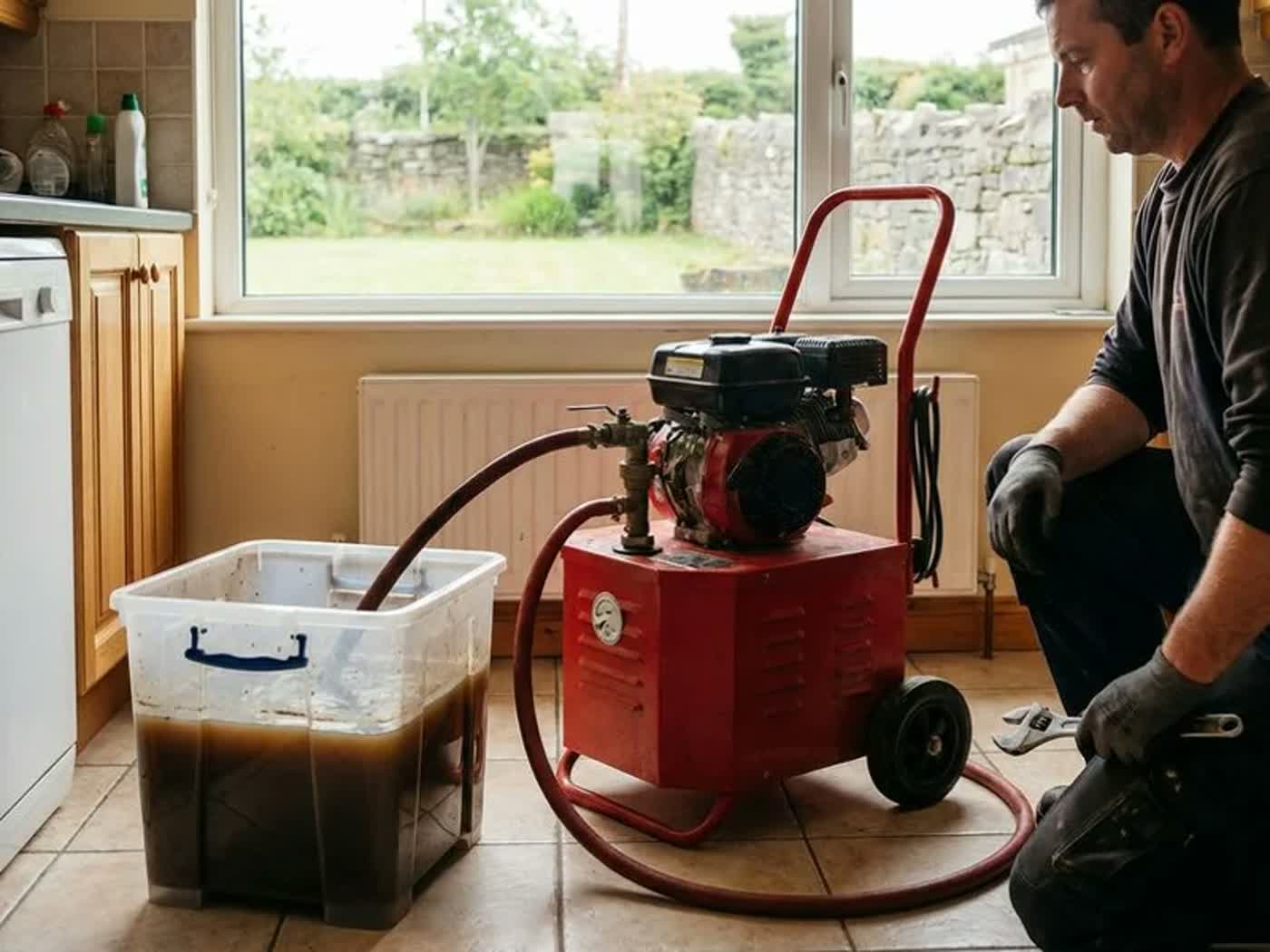
Yes, one radiator can be flushed on its own, either taken off the wall and hosed through or cleaned in place. It works when only one radiator has a problem, but sludge in one radiator usually means the whole system is dirty, and the cleaned radiator soon refills with the same water.
Yes, you can flush just one radiator. It can be taken off the wall and flushed through with clean water, or isolated and cleaned in place. It is a sensible fix when one radiator is the only problem, but sludge in one radiator usually means the whole system is dirty.
Two Ways to Flush a Single Radiator
A single radiator is flushed either off the wall, by removing it and running water through it outside, or in place, by isolating it and pumping cleanser through it with flushing equipment. Which one suits depends on how blocked it is and how easily it comes off.
Off the wall. The valves are closed, the radiator is drained and lifted off its brackets, then taken outside and flushed through with a hose until the water runs clear. Tapping along the panels helps loosen settled sludge. The radiator is refitted, the valves opened, and it is bled.
In place. Flushing equipment is connected across the radiator and a cleaning chemical is circulated through it with the rest of the system isolated. This avoids lifting a heavy radiator and suits ones fixed behind furniture or boxed in, but needs the right kit.
When Flushing One Radiator Is the Right Answer
A single-radiator flush makes sense when one radiator is clearly worse than the rest and the water from the others comes out clean. Typical examples are a radiator at the end of a long run, or one that has sat turned off for years.
Some radiators collect sludge faster than others because of where they sit. The last radiator on a circuit, or one on the ground floor where debris settles, can block up long before the rest. If bleeding the other radiators gives clear water and only this one is cold at the bottom, cleaning it on its own can put it right.
Check first that it really is sludge. A radiator cold at the top has air in it and needs bleeding, not flushing. One cold all over may have a stuck TRV pin or a closed lockshield. Our guide to why a radiator is cold at the top or bottom explains how to tell these apart.
Why a Single Flush Often Doesn't Last
The cleaned radiator refills with water from the rest of the system. If that water carries sludge, the radiator starts collecting it again straight away, and the problem returns.
Sludge is mostly black iron oxide produced by corrosion inside steel radiators and pipework. It rarely forms in only one place. If one radiator is badly blocked, there is usually sludge spread through the others, in the pipework and in the boiler's heat exchanger, even if those radiators still feel warm. Cleaning one radiator removes the worst deposit but leaves the source in place.
That is why the water matters more than the radiator. When a radiator is bled, the colour of the water tells you a lot: clear water suggests a local problem, while black or brown water from several radiators means the system as a whole needs attention.
When a Full Power Flush Is the Better Choice
If several radiators are cold at the bottom, the bleed water is dark, or the boiler has become noisy, a whole-system power flush is the better use of money. It cleans every radiator and the pipework in one visit, then protects the system with fresh inhibitor.
Flushing radiators one at a time across a whole house takes longer than a single power flush, and the radiators cleaned first are exposed to dirty water from those not yet done. A power flush cleans each radiator in turn while the rest of the circuit is also being cleaned, and finishes with the whole system full of clean, treated water. For smaller London properties, power flushing typically starts from around £400, as set out in our guide to power flush costs in London.
If a new boiler is planned, cleaning the whole system should be part of that job anyway, so check what the boiler quote already includes before paying for separate flushing.
When a New Radiator Makes More Sense
If the radiator is corroded through, weeping from its seams, or rusty along the bottom, flushing it can open up pinholes that sludge was plugging. In that case, replacing it is the honest answer.
Old radiators that have been full of sludge for years are often thin inside where corrosion has eaten the steel. Flushing removes the sludge but cannot put the metal back. A radiator that starts weeping after being cleaned was close to failing already. If it is also the wrong size for the room, a new one sized for the space is a better long-term fix than cleaning the old one.
Keeping the Radiator Clean Afterwards
Whether one radiator or the whole system is flushed, the result lasts longer if the water is treated with inhibitor and a magnetic filter is fitted. The filter catches new iron debris before it can settle back into the radiators.
Inhibitor slows the corrosion that makes sludge in the first place, but it weakens over time and is diluted every time the system is topped up with fresh water. A magnetic system filter on the return pipe to the boiler traps the particles that still form, and can be emptied at the annual boiler service.
One radiator cold at the bottom? We check whether it is a single-radiator problem or a sign the whole system needs cleaning, and tell you plainly which is worth paying for. Book a survey for a fixed written quote.
Frequently asked questions
Can I flush a single radiator myself?
Many people do take a radiator off and hose it through outside, since radiators carry water rather than gas. The risks are seized valves that leak when turned, a lost lockshield setting, and air or low pressure afterwards. If the valves are old or the system is sealed, an engineer is the safer choice.
How do I know if one radiator or the whole system needs flushing?
Look at the bleed water and the other radiators. Clear water from most radiators with only one cold at the bottom points to a local problem. Dark water, several radiators with cold patches, or a noisy boiler point to sludge throughout the system, which a single-radiator flush will not fix.
Will flushing one radiator affect the others?
It can. Draining and refilling lets air into the system, so other radiators may need bleeding, and a sealed system may need its pressure topping up. If the lockshield valve was moved, the balance between radiators can change until it is reset.