Is Honeywell Evohome Worth It? Multi-Zone Heating Control Explained
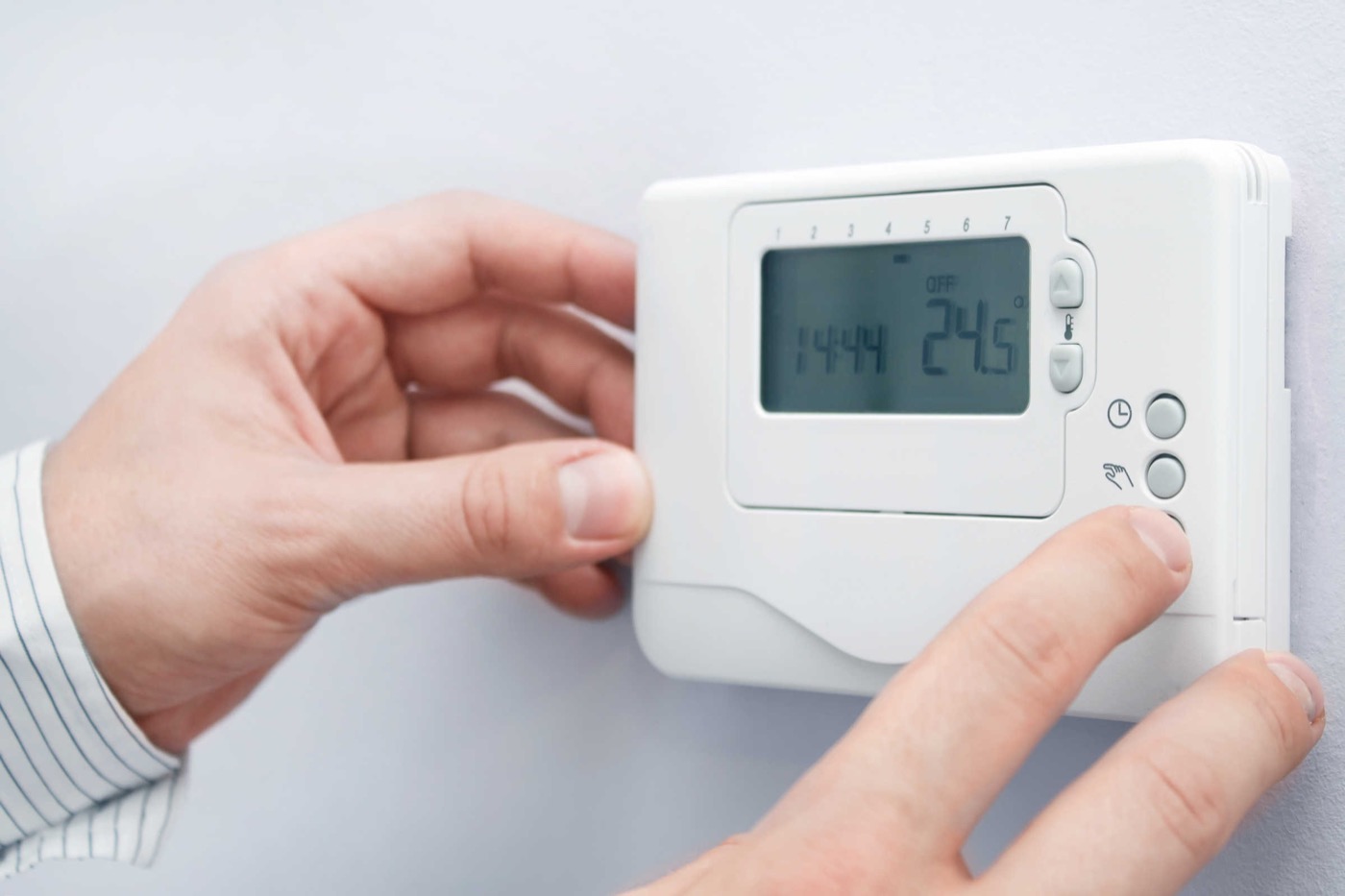
Honeywell Home evohome is a multi-zone control system that lets each room or area have its own temperature and schedule. It earns its cost in larger or unevenly used homes. In a small flat, or a system that is unbalanced or full of sludge, a simpler control is usually the better choice.
Honeywell evohome is worth it in homes where different rooms are used at different times, such as larger houses, homes with home offices or spare rooms, and properties that mix radiators with underfloor heating. In a small flat heated as one space, a single smart thermostat with TRVs does most of the same job for less.
What Honeywell Evohome Is
Evohome is a multi-zone heating control system sold under the Honeywell Home brand, now owned by Resideo. A central controller manages up to 12 separate heating zones, each with its own temperature and schedule, plus hot water where there is a cylinder.
A zone can be a single room with its own wireless radiator head, a group of radiators, a floor controlled by a zone valve, or an area of underfloor heating. The controller, usually wall-mounted or on a stand, talks to each part of the system by radio. The Wi-Fi versions can also be controlled from a phone app. That is the main difference from a single smart thermostat: rather than one temperature for the whole house, each room follows its own plan.
How an Evohome System Is Put Together
An evohome installation is built from a controller plus the parts that suit your heating: radiator heads, relays for the boiler and any zone valves, an underfloor heating controller and a hot water kit. Which parts you need depends on how the house is plumbed.
- The controller. Holds the schedules and temperatures for every zone and decides when the boiler is needed.
- Wireless radiator controllers. Battery-powered heads that fit onto thermostatic valve bodies and open or close each radiator to its own schedule.
- Boiler and zone relays. Wired modules that switch the boiler, or open zone valves, when any zone asks for heat.
- Underfloor heating controller. Operates the actuators on an underfloor manifold, so wet underfloor zones sit in the same system as radiators.
- Hot water kit. A cylinder sensor and relay, so stored hot water is heated to a set temperature on its own schedule.
The radiator heads need suitable valve bodies underneath. Many existing TRV bodies can take them, sometimes with an adaptor, but seized or old valves are often best replaced at the same time. Our guide to smart heating zoning explains the difference between room-level radiator control and larger zones run by valves in the pipework.
Where Evohome Earns Its Cost
Evohome pays off where rooms genuinely need different temperatures at different times, because that is the heat a single-thermostat system wastes. The more rooms that sit empty for long periods, the bigger the difference.
Typical examples include a four-bedroom house where the spare rooms are rarely used, a home office that needs heating during the day while the bedrooms do not, a house with a kitchen extension on underfloor heating and radiators elsewhere, and a converted loft that heats and cools very differently from the ground floor. In all of these, one thermostat in the hallway gives a poor result, and TRVs alone cannot follow a schedule.
Evohome also suits households that want everything in one place: radiators, underfloor heating and hot water controlled from one screen and one app, instead of several separate controls that do not talk to each other.
When Evohome Is the Wrong Answer
Evohome is not a fix for a heating system that cannot deliver heat evenly. If radiators are cold at the bottom, rooms never get warm, or the boiler struggles, better controls will only schedule the same problem room by room.
Before spending on multi-zone control, it is worth checking the basics: that the system is balanced, the water is clean, and each radiator is sized for its room. A system full of sludge or badly out of balance will still leave the far rooms cold, however clever the controller. It is also overkill in a one or two-bedroom flat heated as one open space, where a smart thermostat and standard TRVs cost far less and achieve almost the same result.
There are practical trade-offs as well. Every radiator head runs on batteries, which need changing periodically. The motors in the heads make a small noise when they move, which some people notice in bedrooms at night. And a system with many zones takes more time to set up well; a poorly configured evohome can use more energy, not less.
Evohome Compared With Other Smart Controls
Other systems, including Tado, Drayton Wiser, Hive and Netatmo, also offer smart radiator heads alongside a smart thermostat. The practical differences are in how many zones they handle, how well they cover underfloor heating and hot water, and whether they work without an internet connection.
Evohome's strengths are its handling of mixed radiator and underfloor systems, its wired relays for zone valves and cylinders, and a controller that keeps running the house if the internet connection drops. Some rival systems lean more heavily on the app and the cloud, and suit simpler homes well. Our comparison of Hive, Nest and Tado installed properly covers the single-thermostat end of the market. For a house with complex heating, the right system is the one that matches the pipework, not the one with the best app.
What Installation Involves
A proper evohome installation starts with a survey of the pipework, valves and wiring, then plans the zones before any hardware is fitted. The wiring to the boiler, zone valves and cylinder is the part that most needs an experienced heating engineer.
The engineer checks which valve bodies can take the radiator heads, replaces any that are seized or leaking, and wires the relays so the boiler only fires when a zone genuinely needs heat. Any work inside the boiler, or on its gas connection, must be done by a Gas Safe registered engineer. Once the system is running, each zone is set up with sensible temperatures and schedules, and the radiators are balanced so every room can reach its target. We price controls work on a survey rather than a flat rate, because the number of zones and the state of the valves vary so much between homes.
Wondering whether multi-zone control suits your home? We survey your radiators, valves and wiring, tell you plainly whether evohome or a simpler control is the better fit, and quote a fixed price. See our smart heating controls service or book a survey.
Frequently asked questions
Does Honeywell evohome work with any boiler?
Evohome can control most gas boilers through a wired relay that switches the boiler on and off, and some boilers can be connected in a way that lets the controller request different flow temperatures. Compatibility with a particular boiler, and with any zone valves or cylinder, should be checked on the survey before buying the parts.
Can evohome control underfloor heating and radiators together?
Yes. An underfloor heating controller connects the manifold actuators to evohome, so underfloor zones appear on the same controller and app as rooms with radiators. This is one of the main reasons people choose evohome for houses with a kitchen extension or new floor on underfloor heating.
Will evohome lower my heating bills?
It can, in homes where rooms are regularly left empty or used at different times, because it stops heating those rooms when nobody needs them. In a small home heated as one space, the saving over a smart thermostat with TRVs is small. Poorly set schedules can also cancel out any saving.