Is Electric Underfloor Heating Expensive to Run? Mats vs a Boiler or Heat Pump
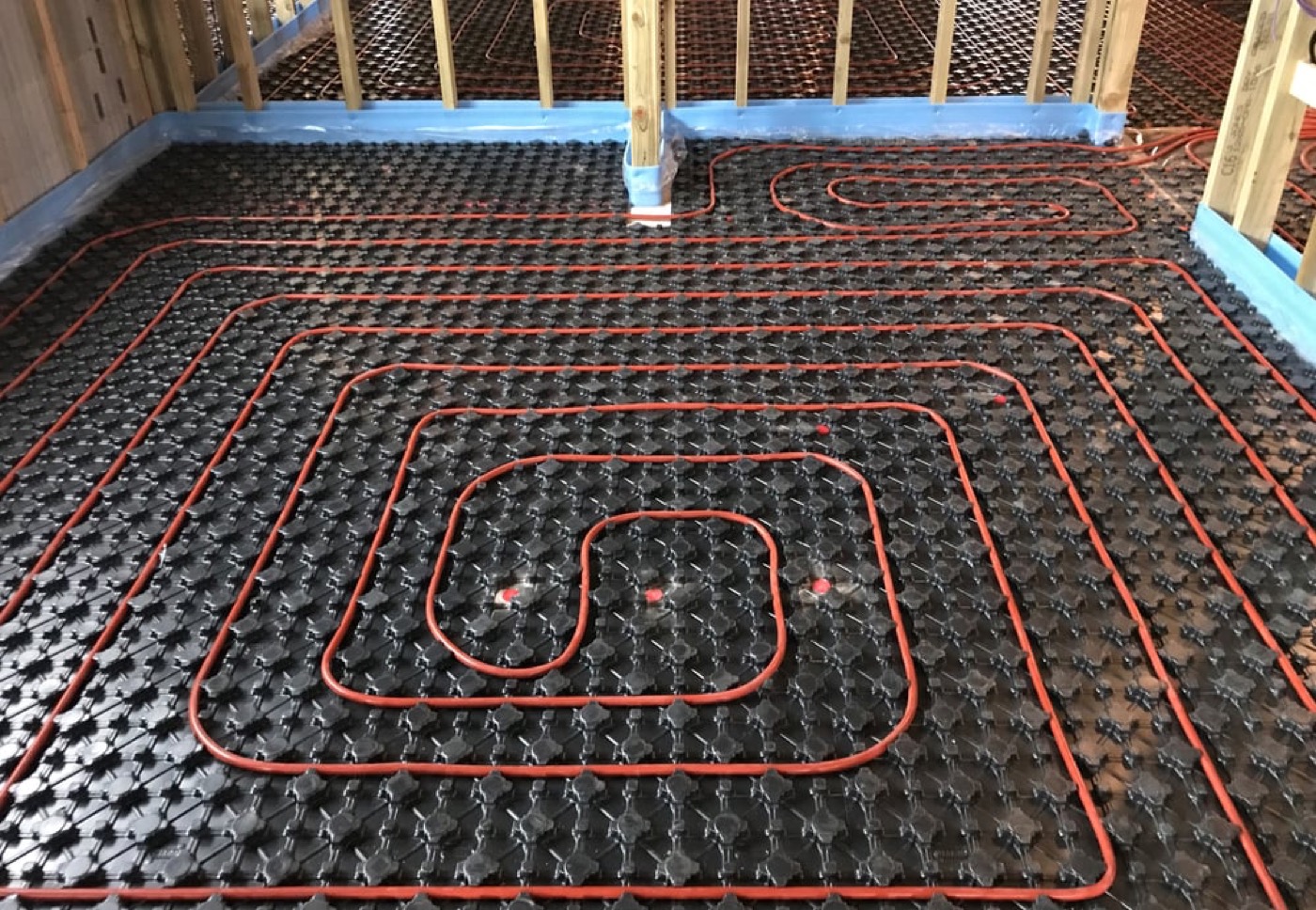
Electric underfloor heating usually costs more to run than wet underfloor heating, because a unit of electricity costs several times as much as a unit of gas. Electric still makes sense for a small bathroom used for short spells; for large or daily-used spaces, wet heating is the cheaper system to live with.
Electric underfloor heating mats cost more to run than wet underfloor heating fed by a gas boiler or heat pump in most homes. Both turn energy into heat very efficiently, but a unit of electricity costs several times as much as a unit of gas, so heating the same floor area with electric mats uses more money than heating it with warm water from a gas boiler. For a small bathroom used for an hour a day the difference is small; for a kitchen extension or a whole ground floor it is large.
Why Electric Underfloor Heating Costs More to Run
Electric underfloor heating turns almost all the electricity it uses into heat, but electricity is expensive per unit. Under the Ofgem price cap, a kilowatt hour of electricity has cost roughly three to four times as much as a kilowatt hour of gas for several years.
Efficiency is where people get caught out. Electric mats and cables are close to 100% efficient at the point of use, which sounds better than a gas boiler. But a modern condensing boiler is also highly efficient, and each unit of heat it makes starts from much cheaper fuel. So even a boiler working below its best still produces heat for noticeably less than electric heating does. Check the unit rates on your own bill, because tariffs vary, but the gap between gas and electricity is the main reason wet systems are cheaper to run.
Why Wet Underfloor Heating Suits a Boiler So Well
Wet underfloor heating runs on low water temperatures, and a condensing boiler is at its most efficient when the water returning to it is cool. That pairing helps a gas boiler get closer to its best efficiency than it often does with radiators alone.
Radiators typically need hotter water than an underfloor system, which can mean the return water is too warm for the boiler to condense fully. Underfloor loops spread the heat across a whole floor, so the water can run much cooler and still warm the room. Whether you get the full benefit depends on how the system is set up: a boiler that also feeds radiators at high temperature, with the underfloor heating blended down at the manifold, will not see as much gain as a system designed around low temperatures. Our guide to running underfloor heating from your existing boiler explains what to check.
Heat Pumps Change the Sums
A heat pump running wet underfloor heating is usually the cheapest way to run it, because a heat pump delivers several units of heat for each unit of electricity it uses. Electric mats get one unit of heat for each unit of electricity.
Underfloor heating is the ideal partner for a heat pump, since both work best at low water temperatures. That also matters if you are fitting underfloor heating now and expect to move to a heat pump later: a wet system laid today can be run from a boiler for now and a heat pump in future, while electric mats will always run at the full price of electricity. If a heat pump is on your horizon, that is a strong reason to choose wet for any large area.
When Electric Underfloor Heating Is the Right Choice
Electric underfloor heating makes sense for small rooms used in short bursts, such as an en suite or a small bathroom, where it is only on for an hour or two a day. In those rooms the higher running cost adds up to little, and the lower fitting cost wins.
Electric mats are thin, go straight under tiles, and do not need a connection to the heating pipework, which makes them quick to fit in a bathroom refit. They also warm up fast when laid on insulation boards, so they suit a room you only want warm first thing in the morning. They are the wrong answer for a large open-plan kitchen or a whole floor heated all day through winter, where the running cost will be felt on every bill. If someone recommends electric for a large living space because it is cheaper, ask whether they mean cheaper to fit or cheaper to run.
What Else Affects Running Costs, Whichever System You Choose
Insulation under the heating makes the biggest difference to running cost after the fuel itself. Without it, much of the heat goes down into the subfloor instead of up into the room, and both wet and electric systems cost more to run.
- Insulation below the pipes or mats. Particularly on a solid ground floor, where an uninsulated slab soaks up heat.
- The floor covering. Tile and stone pass heat well; thick carpet and underlay hold it back and make the system work harder.
- How the house loses heat. Draughty windows and uninsulated walls cost money whatever heats the room.
- Controls and timing. Wet systems in screed respond slowly, so they run most economically on steady settings rather than being switched hard on and off.
- How well the system is set up. Loops that are unbalanced or partly blocked make some rooms slow to heat, which leads people to turn the whole system up.
Running Costs vs Installation Costs
Electric underfloor heating is usually cheaper and quicker to install, while wet underfloor heating costs more to fit but less to run. Which is cheaper over the years depends on the size of the room and how many hours a day it is heated.
For a small bathroom, the saving on installation may never be overtaken by the extra running cost. For a large extension heated every day, the extra cost of fitting a wet system is normally recovered over its life through lower bills, and it keeps the option of a heat pump open. Our guide to underfloor heating installation costs covers what sets the fitting price for each type.
Not sure which system suits your room? We look at the room size, the floor, your boiler and how you use the space, then tell you honestly whether wet or electric makes more sense. See our underfloor heating service or ask for a survey.
Frequently asked questions
Is electric underfloor heating expensive to run?
It costs more to run than wet underfloor heating, because electricity costs several times as much per unit as gas. In a small bathroom used for an hour or two a day the cost is modest. Across a large room heated all day, it is one of the more expensive ways to heat a home.
Is wet underfloor heating cheaper to run than radiators?
It can be, because it runs at lower water temperatures, which lets a condensing boiler or heat pump work more efficiently. The saving depends on good floor insulation, the floor covering and how the system is set up, so it is not guaranteed in every home.
Can I run electric underfloor heating on Economy 7?
You can, but thin electric mats hold little heat, so they cool quickly once the cheap-rate hours end. Economy 7 suits systems laid in a thick screed that stores heat overnight better than mats under tiles. Check your tariff's day and night rates before relying on it.