Replacing a Radiator Valve or TRV: Head-Only Swap or Full Drain-Down?
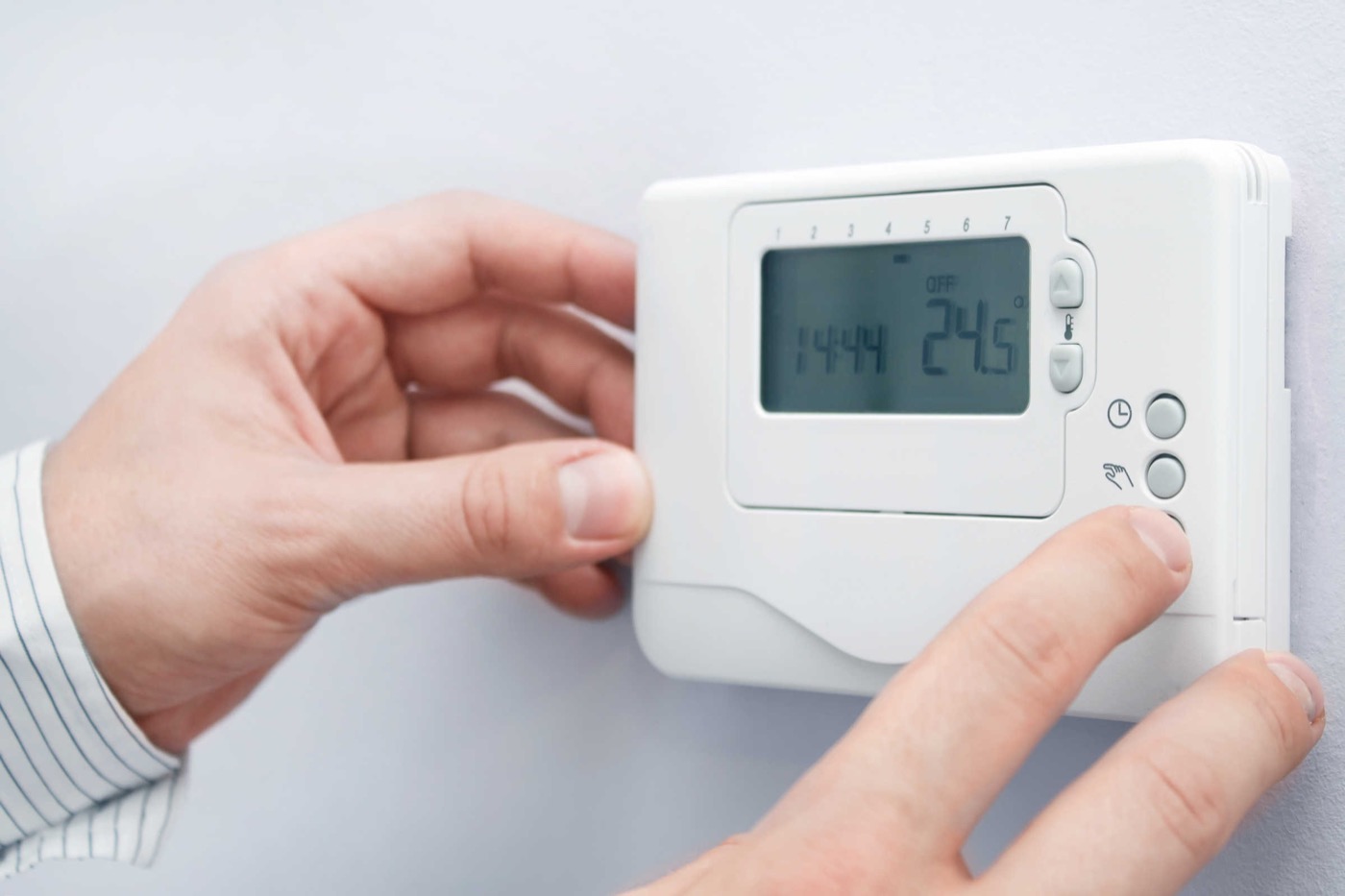
The cost of replacing a radiator valve or TRV depends mostly on whether the system has to be drained. Swapping a TRV head is a small job, changing the valve body means draining down, and doing every valve in one visit is far better value than one at a time.
The cost of replacing a radiator valve or TRV depends mostly on whether the system has to be drained. A new TRV head can often be fitted in minutes with no draining at all, while replacing the valve body means draining down, refilling and treating the water, so it is priced on that labour rather than the part. If you are replacing the radiators themselves, our guide to what a new radiator costs to fit covers that job.
Head Only or Full Valve: The Difference That Drives the Price
A thermostatic radiator valve has two parts: the head you turn, and the valve body fixed to the pipe. If only the head has failed, it can usually be swapped without touching the water. If the body is leaking, seized or the wrong type, the whole valve has to come off.
Plenty of 'broken' TRVs are neither. The most common fault is a pin under the head that has stuck down after a summer turned off. Freeing that pin costs nothing in parts. Our guide to why a TRV stops working explains how to tell a stuck pin from a failed head or valve before paying for a replacement.
Signs a Radiator Valve Genuinely Needs Replacing
A valve needs replacing when it leaks from the body or spindle, will not turn, or no longer shuts off or opens the flow. A radiator that is merely cold, with a valve that still turns freely, usually has a different fault.
- water weeping from the valve body, the spindle under the head, or the nut onto the radiator
- green or white crusting around the valve, which shows a slow leak that has dried out
- a valve that is seized solid, or turns without changing how hot the radiator gets
- an old manual valve on a radiator where you want room-by-room control
A drip from the spindle can sometimes be cured by tightening the gland nut rather than replacing the valve, so it is worth asking before agreeing to a full change. Our guide to a leaking TRV shows how to tell which part of the valve is leaking.
Why Draining Down Is Most of the Cost
Replacing a valve body means stopping water flowing through that pipe, which normally means draining at least part of the system. The draining, refilling, bleeding and fresh inhibitor take far longer than fitting the valve itself.
On a sealed system, which covers most combi and system boilers, the engineer drains down, fits the valve, refills, bleeds every radiator and repressurises. On an older open-vented system with a tank in the loft, the job is similar but refilling happens through the tank. Some engineers use pipe-freezing equipment to replace a single valve without draining, which can save time on a one-off job, though it is not suitable for every pipe.
Because the draining is the same whether one valve or ten are changed, the cost per valve falls sharply when they are done together.
One Valve or the Whole House?
If one valve has failed and the rest are the same age, replacing them all in one visit is usually better value. The system only has to be drained once, and older valves often start leaking after being disturbed during the first repair.
A whole-house valve change is also the moment to fit TRVs where there are none. Radiators with manual valves heat their rooms regardless of temperature, which wastes heat in rooms that warm quickly from the sun or from cooking. TRVs on those radiators give room-by-room control, with the usual exception of the room that has the main wall thermostat. When a boiler is replaced, current building regulations guidance expects room-by-room temperature control, which in most homes means TRVs.
What Else Affects the Price
After draining, the main cost drivers are the pipe size and type, the valve pattern, and whether the old valve comes off cleanly. Older London homes add their own complications.
- Pipe size. Most radiators run on 15mm pipe, but many older homes have narrow 8mm or 10mm microbore, which needs different fittings.
- Imperial pipework. Very old systems may have imperial sizes that need adaptors to take a modern valve.
- Valve pattern. Angled, straight and corner valves suit different pipe positions, and the new valve should match how the pipe arrives.
- Seized fittings. A radiator tail or olive corroded in place can take time to free without damaging the radiator.
- Smart heads. Smart TRV heads cost more than standard ones and need compatible valve bodies and a hub or app setup.
Lockshield Valves and Balancing After the Work
The valve at the other end of the radiator, the lockshield, is often replaced at the same time. Whatever is changed, the system should be rebalanced afterwards so every radiator gets its share of flow.
The lockshield sets how much water passes through each radiator. When it is replaced or reset, the balance of the whole system can shift, leaving some radiators hot and others lukewarm. A good engineer notes the setting before removing a lockshield and rebalances the system at the end. If your quote does not mention balancing, ask whether it is included. Our guide to what a lockshield valve does explains why it matters.
What a Valve Replacement Quote Should Include
Before comparing prices, check each quote covers the same work. A low headline price that leaves out draining or inhibitor is not a real saving.
- the number and type of valves, and whether heads, bodies or both are being replaced
- draining down, refilling and bleeding the system
- a fresh dose of inhibitor after refilling
- repressurising a sealed system and checking the boiler runs normally
- rebalancing the radiators once the new valves are in
Radiator valves are on the water side of the heating system rather than the gas side, but the work still affects your boiler's pressure and water quality, so it pays to have it done properly.
Valves leaking, seized or missing TRVs? We check which valves genuinely need replacing, do them in one drain-down, and give you a fixed price first. See our TRV installation service or book a survey.
Frequently asked questions
Can you replace a TRV without draining the system?
You can replace the TRV head without draining, because the head simply screws or clips onto the valve body. Replacing the valve body itself normally needs the system partly drained, or the pipe frozen with specialist equipment, because the water has to be stopped at that point.
Should all radiator valves be replaced at the same time?
If they are the same age and one has already failed, usually yes. The system only needs draining once, so the cost per valve falls, and old valves disturbed during one repair often start weeping soon after. Valves in good working order can be left alone.
Do I need a TRV on every radiator?
Not quite every one. The radiator in the room with the main wall thermostat is usually left on a manual valve, so the thermostat can sense the house and switch the boiler off when it is warm enough. Most other radiators benefit from a TRV.