Smart Heating Controls vs a Traditional Thermostat: What Changes When an Engineer Installs Them
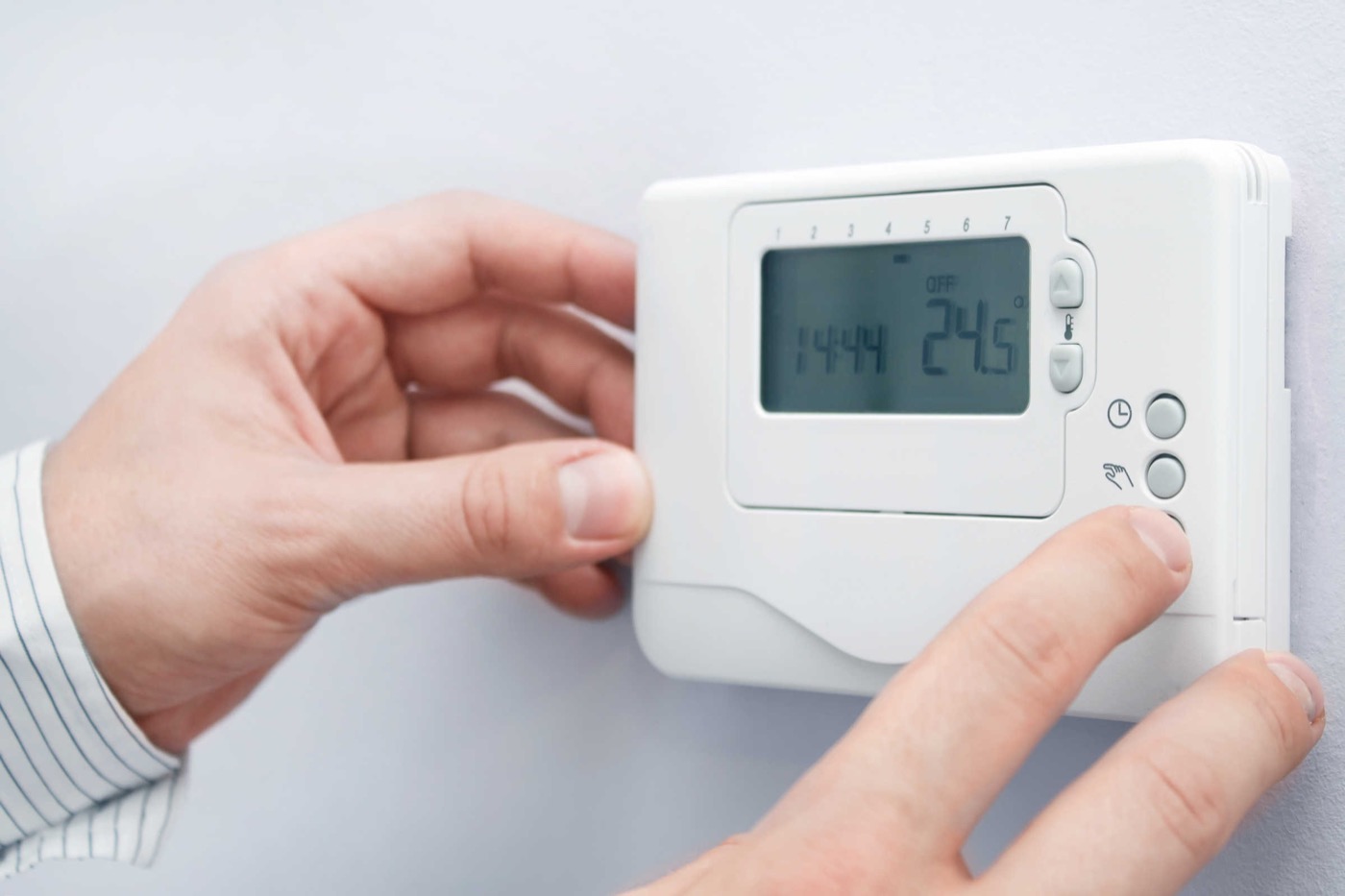
Upgrading to smart heating controls involves more than a simple thermostat swap. A professional installation ensures wiring compatibility, correct zone configuration, and schedules tailored to your home's actual heat loss.
What a Professional Heating Engineer Does During Installation
While a traditional thermostat replacement can sometimes be a straightforward DIY job, installing a modern smart heating control system is a different proposition. A qualified heating engineer brings a systematic approach that ensures your new system is safe, efficient, and perfectly integrated with your existing heating setup. Their work begins long before any wires are touched, with a thorough assessment of your current system's compatibility and capacity.
Comprehensive System Compatibility and Wiring Check
The first critical task is verifying that your boiler and central heating wiring can support the new smart controls. An engineer will check the voltage at the existing thermostat location and identify the correct wires for live, neutral, and switched live connections. This is crucial for systems that require a permanent power supply, such as Wi-Fi-enabled smart thermostats with learning features. They will also confirm if an additional wiring hub or power supply module is needed, a step often overlooked in DIY attempts that can lead to system faults or damage.
Configuring Heating Zones and Valve Operation
A key advantage of smart controls is the ability to manage multiple heating zones with precision. An engineer doesn't just install the physical thermostat; they configure the system's logic. This involves programming the controller to correctly communicate with motorised zone valves for different floors or radiators. They ensure that boiler demand signals are correctly sent only when a zone calls for heat, preventing short cycling and improving efficiency. This backend configuration is what transforms separate components into a cohesive, intelligent system.
Programming Schedules Around Real Household Routines
Post-installation, an engineer will work with you to program initial heating schedules that reflect your actual lifestyle, not generic presets. They consider factors like morning wake-up times, typical work-from-home patterns, and evening occupancy. This foundational programming leverages the home's thermal performance, setting base temperatures that account for heat loss. It provides an optimised starting point from which you can then make further adjustments via the app, ensuring comfort from day one without the guesswork.
The Hidden Benefits of Professional Configuration
The value of an engineer extends beyond the initial setup. Their expertise ensures the system operates harmoniously with other components, like magnetic filters and thermostatic radiator valves (TRVs), for whole-home efficiency.
System Balancing and Integration
A professional will often perform a system balance after installing smart controls. This adjusts the flow of water through your radiators to ensure all zones heat up evenly and efficiently, which is essential for the smart system's temperature readings to be accurate and effective. They also verify that smart TRVs, if part of the installation, are correctly paired and assigned to the right zones within the control app.
Future-Proofing and Troubleshooting Support
By handling the installation correctly, an engineer future-proofs your system. They ensure all connections are secure and documented, making any future upgrades or integrations straightforward. Furthermore, having a professionally installed system means you have a point of contact for operational advice and can be confident that any performance issues are not due to an incorrect initial setup, protecting your investment in the technology.
The transition from a traditional thermostat to intelligent heating controls represents a significant upgrade in how you manage home comfort and energy use. Entrusting this process to a heating engineer helps ensure that the sophisticated technology is matched by an equally sophisticated installation, delivering on the full promise of efficiency, control, and convenience.
Frequently asked questions
Can I install smart heating controls myself if I'm replacing an old programmable thermostat?
While it may be technically possible, it is not generally advised. A professional ensures correct wiring for permanent power, configures system communication with boiler and zone valves, and performs essential system balancing—steps critical for safety, efficiency, and warranty that go beyond a basic swap.
What does an engineer check for during the wiring compatibility assessment?
The engineer checks the voltage at your existing thermostat point, identifies live, neutral, and switched live wires, and determines if your system needs a neutral wire or an additional power supply module. This prevents damage to the new controls or boiler and ensures reliable operation.
How does professional zone setup differ from using the smart controls' default settings?
An engineer maps your home's actual layout to the control system, correctly assigning motorised valves to specific zones (like upstairs/downstairs). They program the controller logic so the boiler only fires when a specific zone calls for heat, optimising performance beyond simple app-based room naming.
Why is initial schedule programming by an engineer important?
An engineer bases initial schedules on your home's thermal performance and real routines, setting efficient base temperatures that account for heat loss. This provides a scientifically optimised starting point for the smart features, leading to faster comfort and better efficiency than generic presets.